Types of Japanese Swords
Explore our illustrated guide to the types of Japanese swords, sortable by period, class, length and blade. From the ancient chokutō to the samurai katana and the modern guntō, this is one of the most complete guides to Japanese sword types online.
| # | Name | Image | Class | Period | Recognition |
|---|---|---|---|---|---|
| 1 | Katana 刀 ShopThe iconic curved samurai longsword, worn edge-up through the belt. | 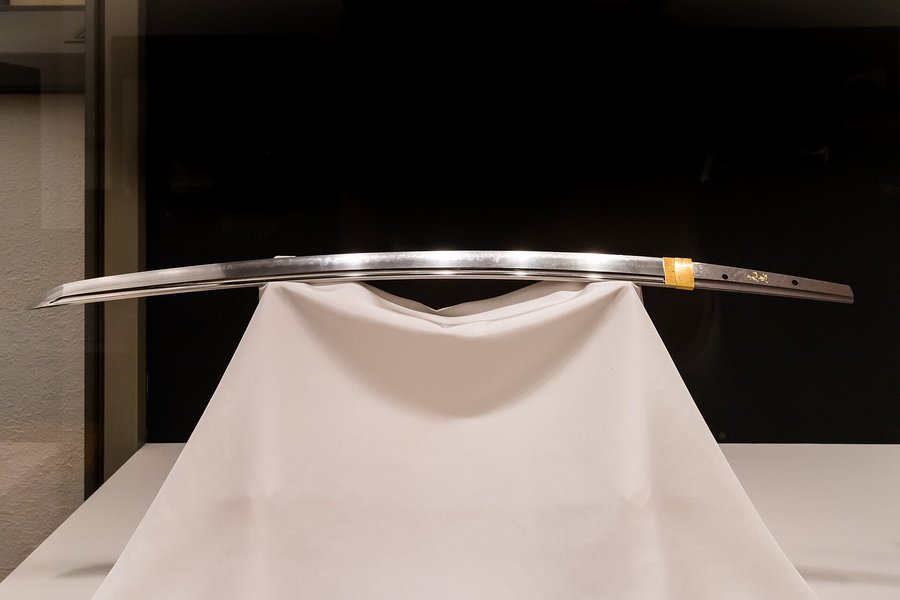 |
Long swords | Muromachi (14th c.) | Iconic |
| 2 | Wakizashi 脇差 ShopThe samurai's companion shortsword, paired with the katana as the daishō. | 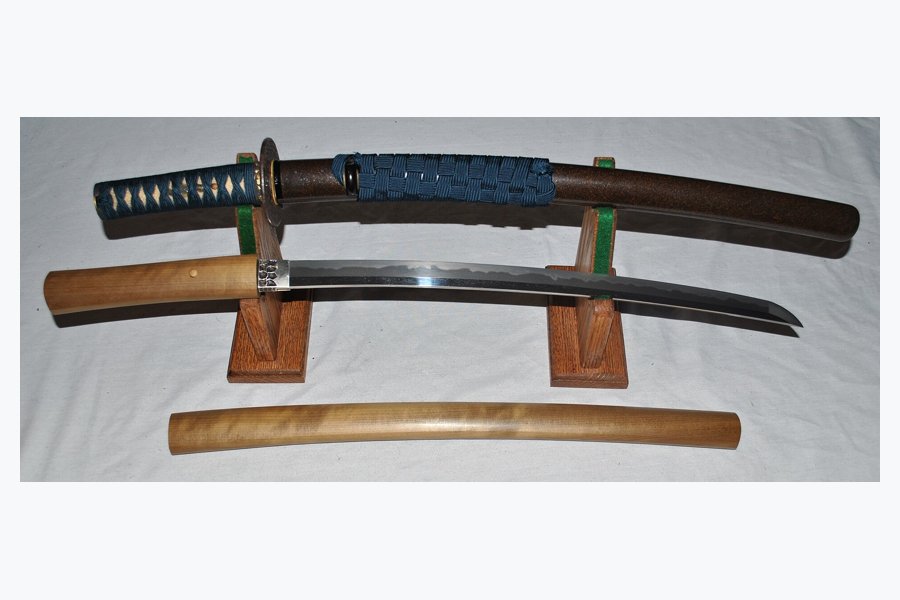 |
Short swords & daggers | Muromachi period | Very common |
| 3 | Tantō 短刀 ShopThe samurai dagger — compact, finely polished and often lavishly mounted. | 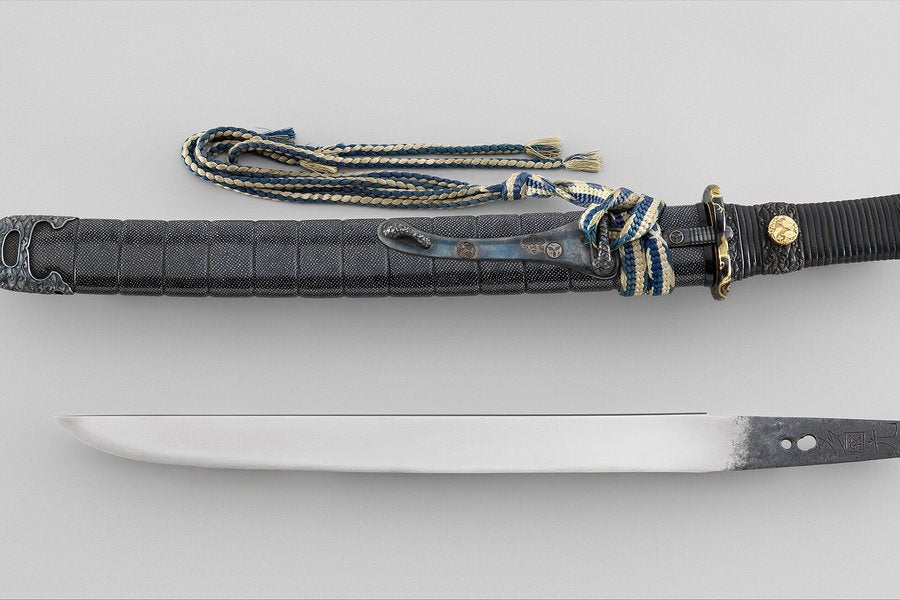 |
Short swords & daggers | Heian period (c. 900) | Very common |
| 4 | Ōdachi / Nodachi 大太刀 ShopThe massive field great sword, swung in sweeping arcs against cavalry. | 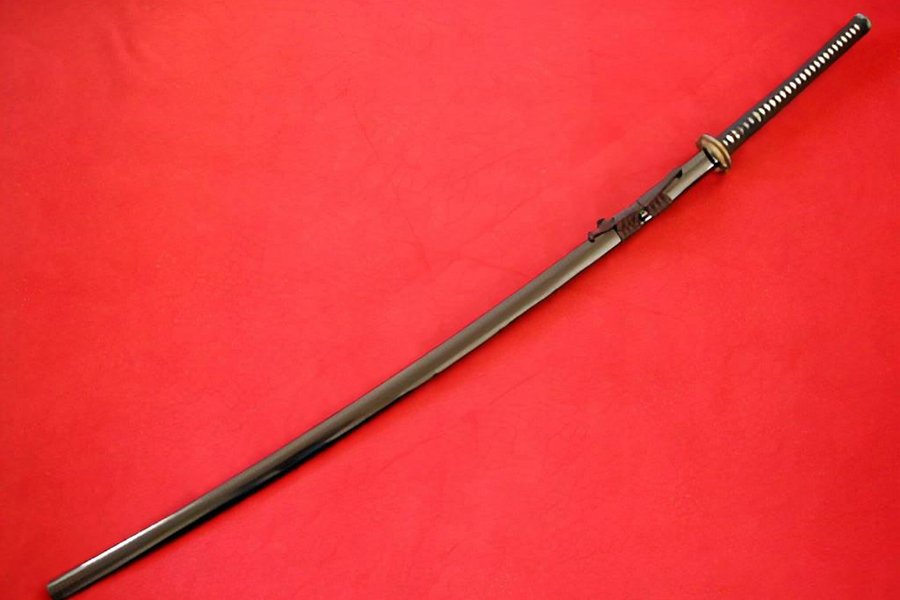 |
Great swords | Nanboku-chō (14th c.) | Well known |
| 5 | Naginata 薙刀 ShopThe curved-blade polearm of warrior monks and female samurai. | 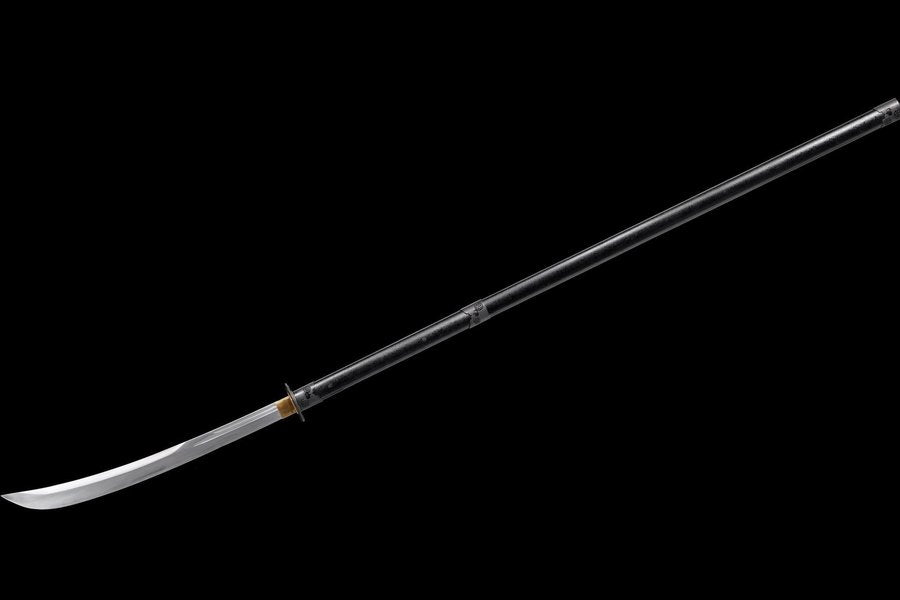 |
Polearms | Heian period | Well known |
| 6 | Ninjatō 忍者刀 ShopThe straight-bladed sword of the ninja of legend. | 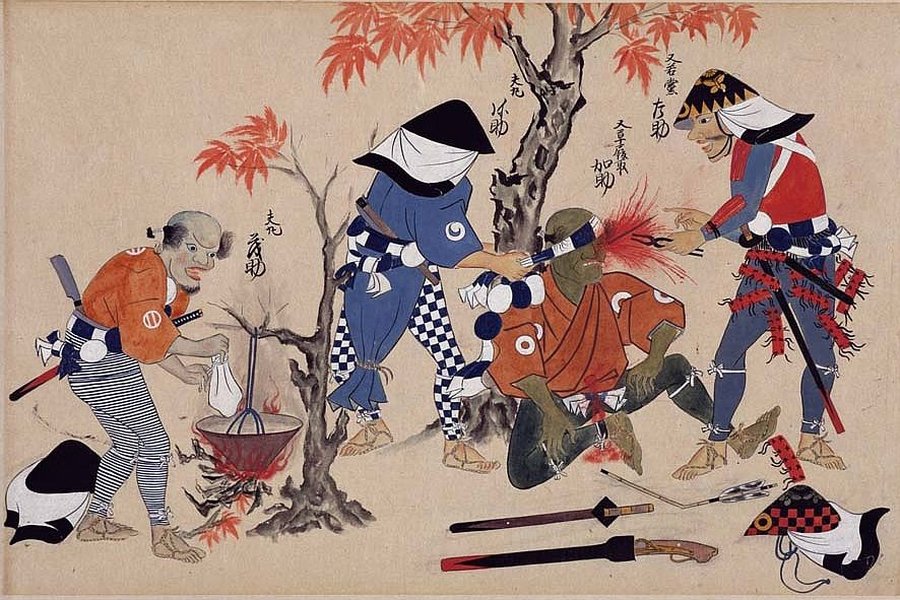 |
Ninja & concealed | Edo period / legendary | Very common |
| 7 | Tachi 太刀 The elder cavalry sword, worn edge-down slung from the belt. | 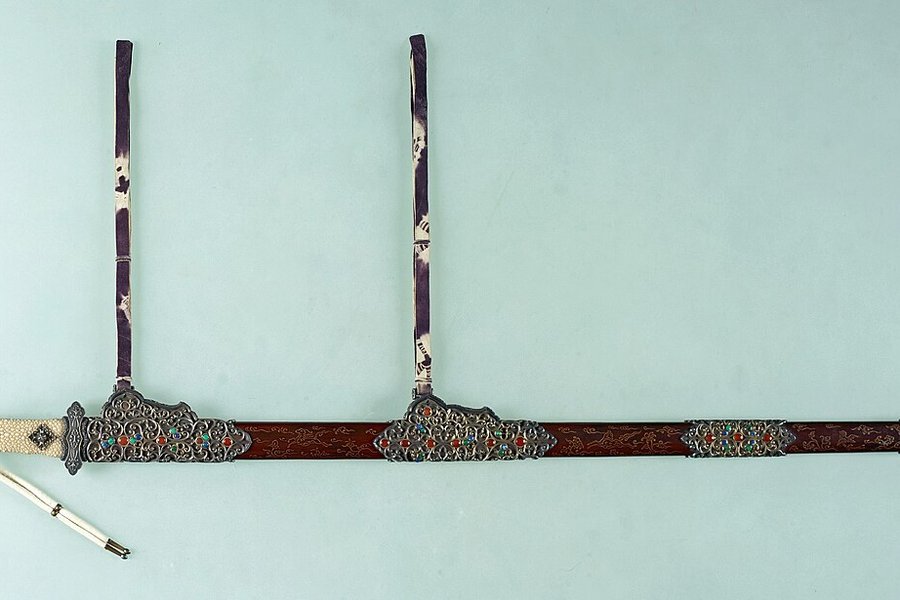 |
Long swords | Heian–Kamakura | Very common |
| 8 | Uchigatana 打刀 The transitional sword that evolved into the katana. | 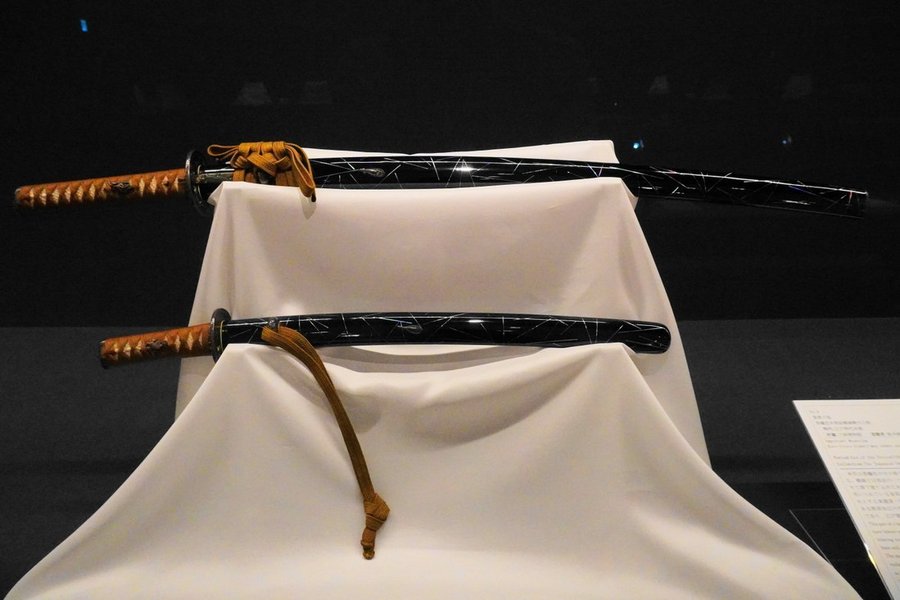 |
Long swords | Muromachi period | Well known |
| 9 | Kodachi 小太刀 A short tachi, mounted for edge-down wear. | 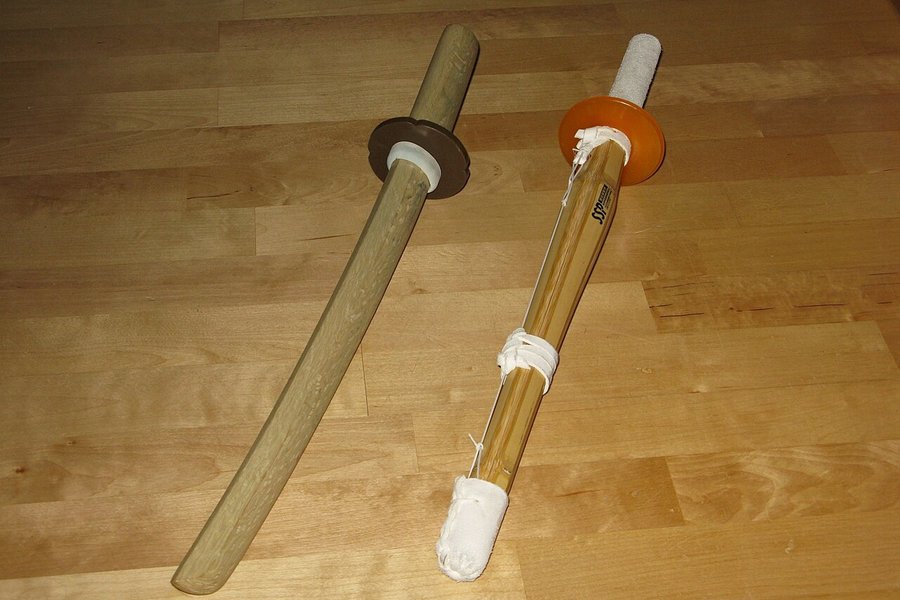 |
Short swords & daggers | Kamakura period | Well known |
| 10 | Nagamaki 長巻 A katana-like blade on a long, cord-wrapped handle. | 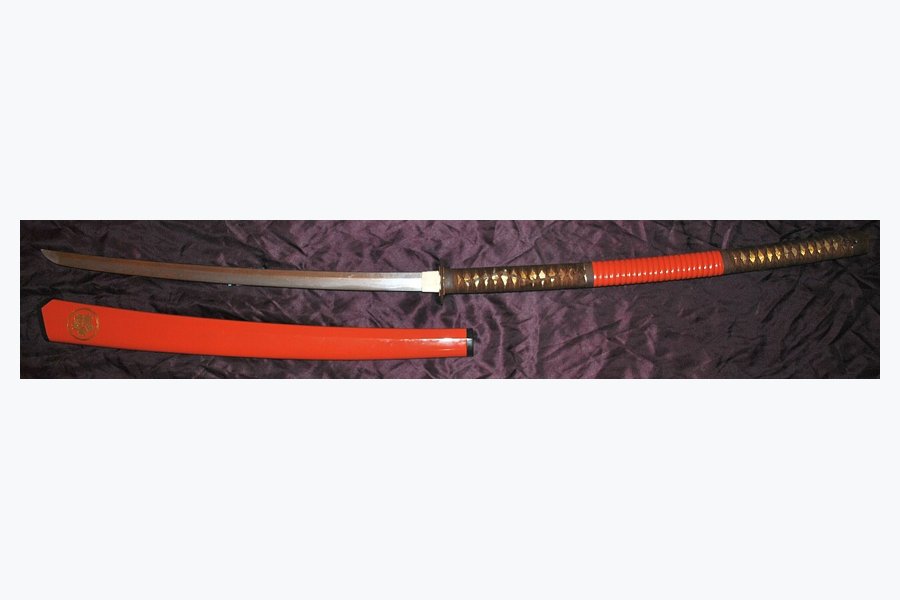 |
Polearms | Nanboku-chō period | Specialist |
| 11 | Chokutō 直刀 Japan's earliest sword — straight, before the curve appeared. | 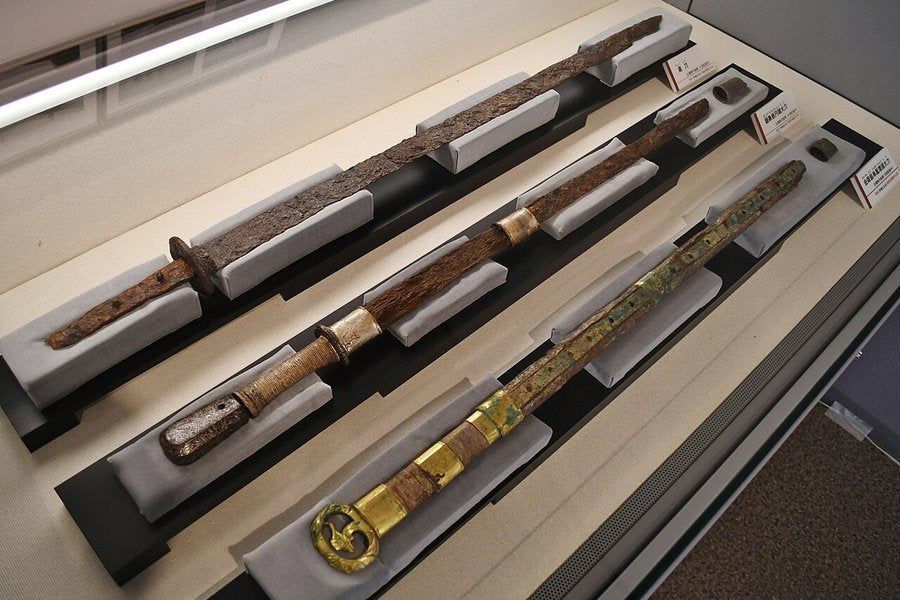 |
Ancient & straight | Kofun–Nara (pre-10th c.) | Specialist |
| 12 | Tsurugi / Ken 剣 The ancient double-edged straight sword, sacred and ceremonial. | 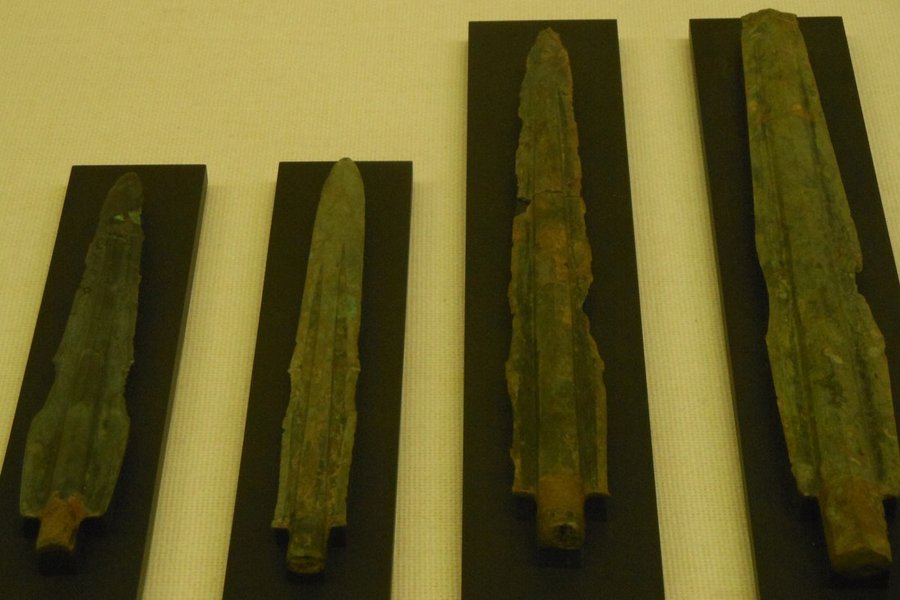 |
Ancient & straight | Ancient / ceremonial | Well known |
| 13 | Shikomizue 仕込み杖 A hidden blade concealed inside an innocent walking cane. | 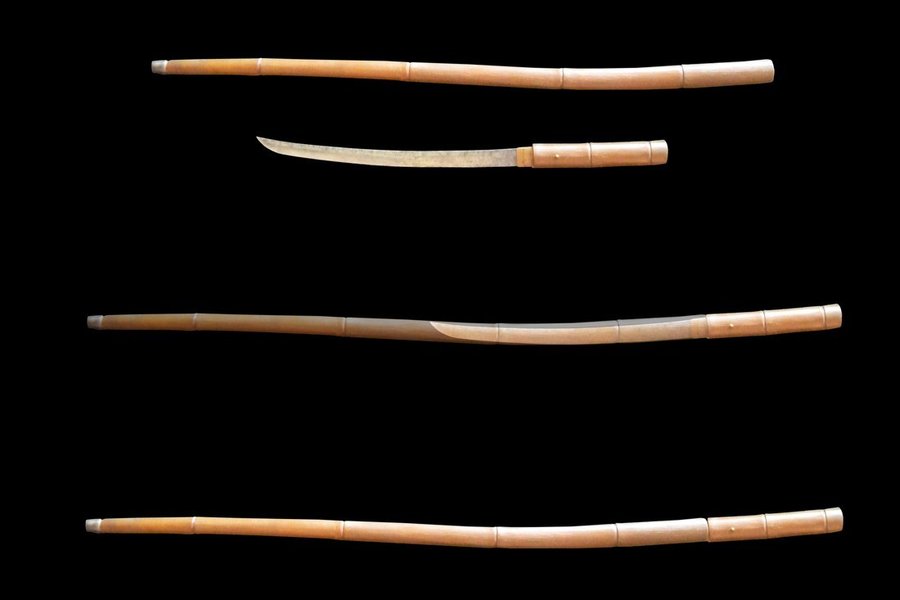 |
Ninja & concealed | Edo–Meiji | Well known |
| 14 | Kogarasu-Maru 小烏丸 The legendary 'Little Crow' — half single-, half double-edged. | 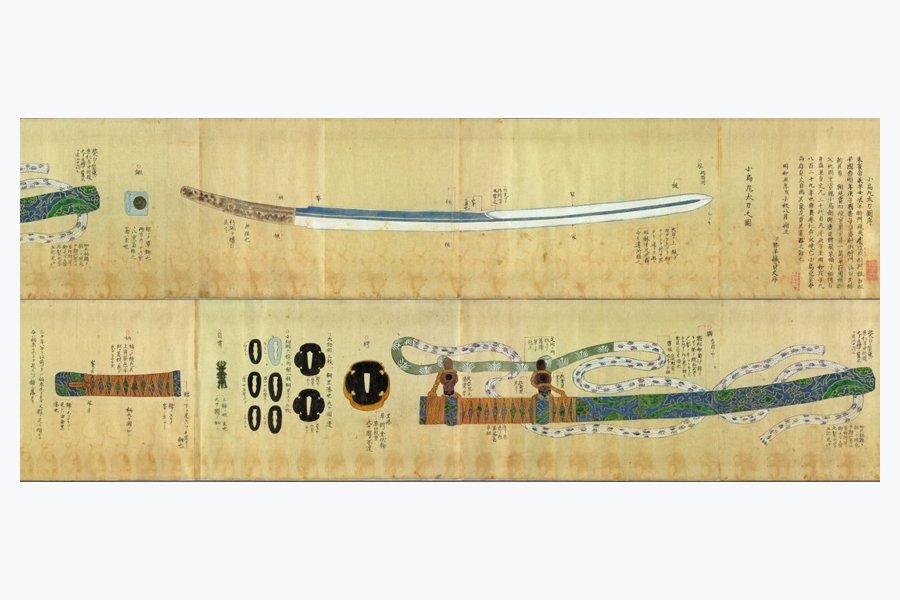 |
Ancient & straight | Heian period (8th c.) | Well known |
| 15 | Shirasaya 白鞘 The plain wooden 'resting scabbard' that preserves a blade. | 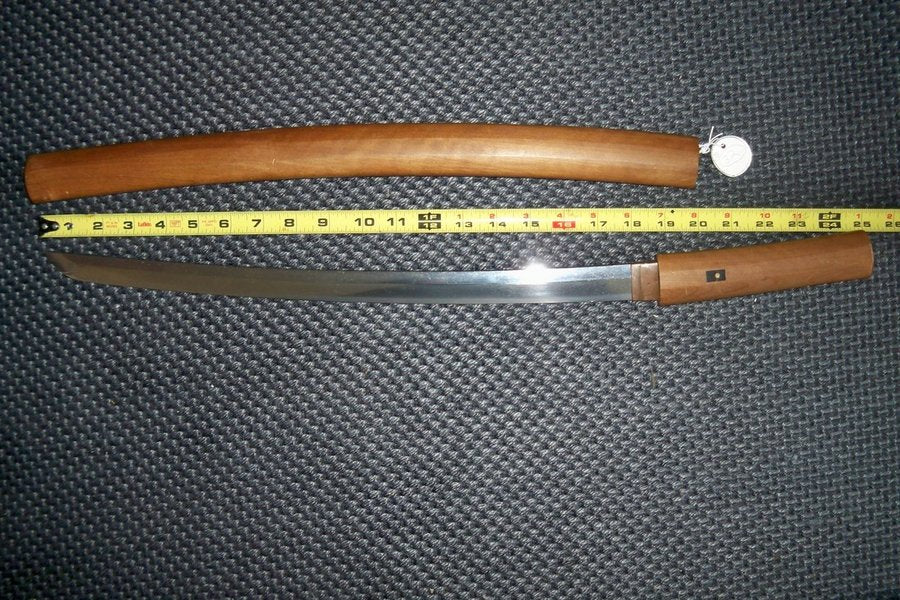 |
Mountings | Edo onward | Specialist |
| 16 | Iaitō 居合刀 The unsharpened practice sword for iaido. | 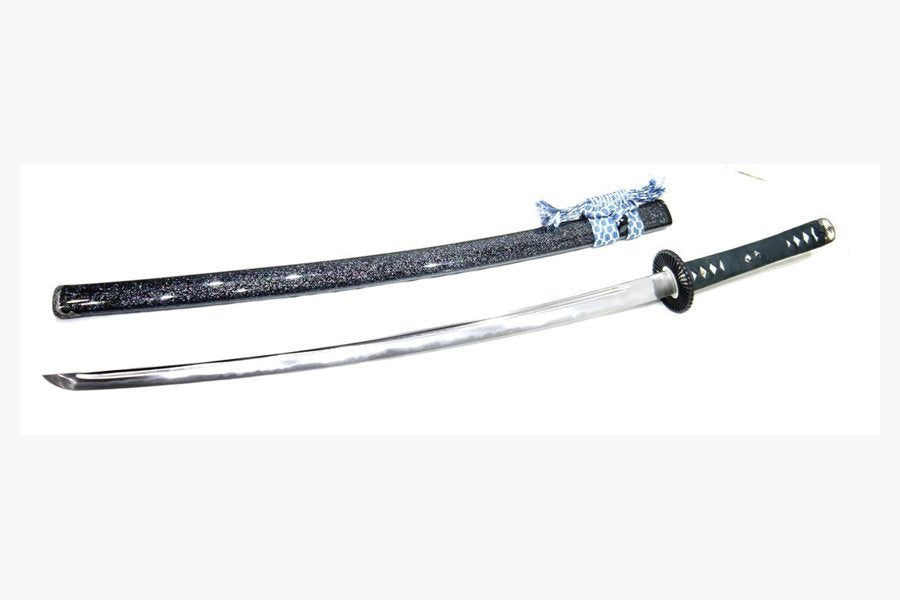 |
Training & practice | Modern | Well known |
| 17 | Bokken 木剣 The solid wooden sword for kata and kenjutsu. | 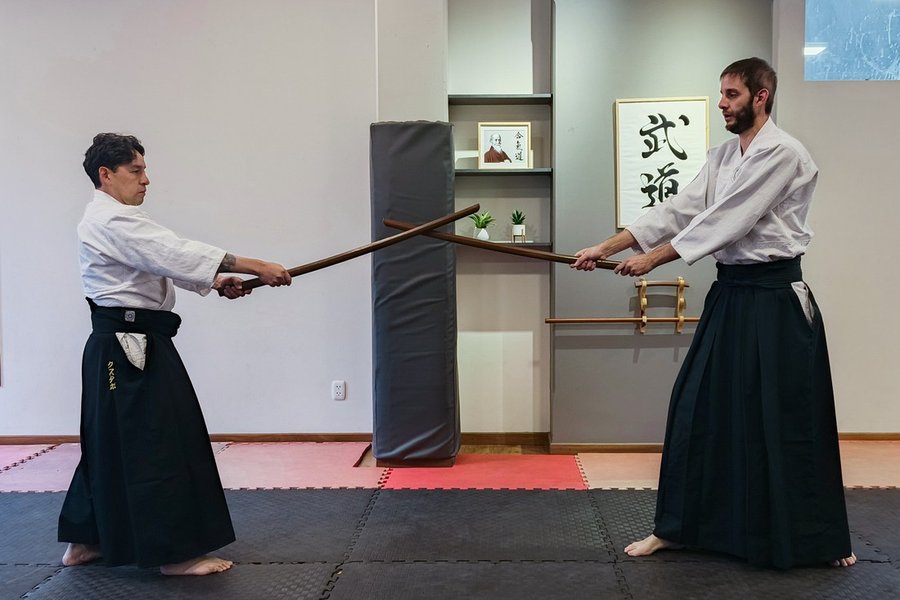 |
Training & practice | Muromachi onward | Well known |
| 18 | Shinai 竹刀 The flexible bamboo sword for full-contact kendo. | 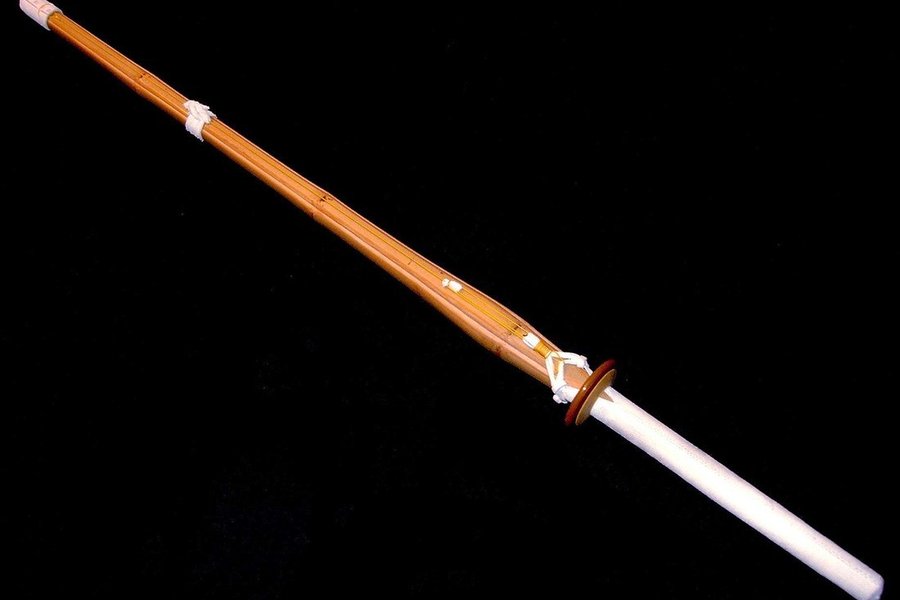 |
Training & practice | Edo onward | Well known |
| 19 | Daishō 大小 The 'big-little' pairing worn as the mark of the samurai. | 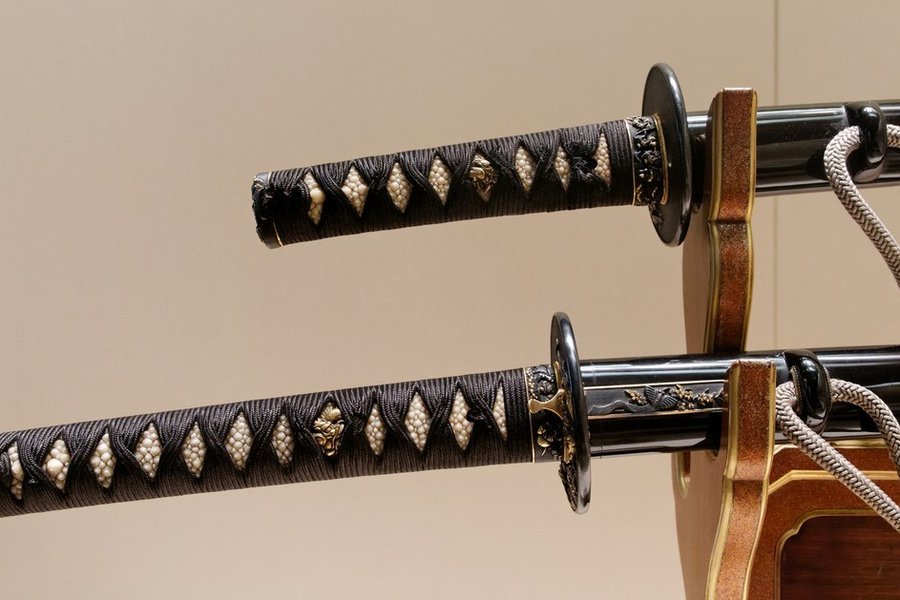 |
Paired & military | Edo period | Well known |
| 20 | Guntō 軍刀 The military swords of imperial Japan, 1868–1945. | 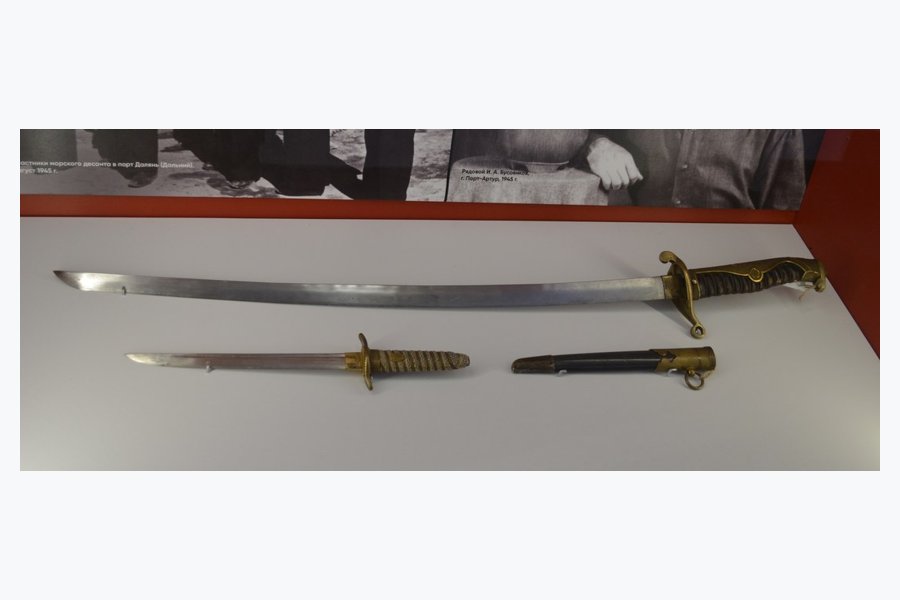 |
Paired & military | Meiji–WWII (1868–1945) | Well known |
Katana 刀
The katana is the most recognized Japanese sword, defined by a curved single-edged blade over 60 cm worn edge-up through the belt (obi). It emerged in the Muromachi period as samurai shifted to faster movement on foot, and is forged from tamahagane steel by differential hardening, producing the prized hamon temper line.
- Group
- Long sword
- Class
- Long swords
- Time period
- Muromachi (14th c.)
- Uses
- Samurai, Duelling
- Length
- 60 to 73 cm (24 to 29 in)
- Edge type
- Single-edged
- Handle
- Two-handed, long tsuka
- Blade shape
- Curved, single-edged
Wakizashi 脇差
The wakizashi is a short sword with a 30 to 60 cm blade worn together with the katana to form the daishō. Samurai carried it as a backup and for indoor fighting where a long blade was impractical, and it was the sword used for the ritual of seppuku. Only the samurai class was permitted to wear the paired set.
- Group
- Short sword
- Class
- Short swords & daggers
- Time period
- Muromachi period
- Uses
- Samurai backup, Indoor use
- Length
- 30 to 60 cm (12 to 24 in)
- Edge type
- Single-edged
- Handle
- One-handed
- Blade shape
- Curved, single-edged
Tantō 短刀
The tantō is a dagger with a blade under 30 cm, first appearing in the Heian period as a close-quarters utility blade. Often lavishly mounted, it was carried by samurai and worn by women of the warrior class as a discretion blade known as the kaiken.
- Group
- Dagger
- Class
- Short swords & daggers
- Time period
- Heian period (c. 900)
- Uses
- Discretion, Utility
- Length
- Under 30 cm (12 in)
- Edge type
- Single-edged
- Handle
- One-handed, aikuchi
- Blade shape
- Straight to slightly curved, single-edged
Ōdachi / Nodachi 大太刀
The ōdachi (also nodachi) is an oversized two-handed great sword with a blade often exceeding 90 to 100 cm, wielded on the open battlefields of the Nanboku-chō period. Its reach made it effective against cavalry, but its size demanded exceptional strength and specialised forging; many were later shortened into katana.
- Group
- Great sword
- Class
- Great swords
- Time period
- Nanboku-chō (14th c.)
- Uses
- Battlefield, Anti-cavalry
- Length
- 90 to 150+ cm (35 to 59+ in)
- Edge type
- Single-edged
- Handle
- Two-handed, extended tsuka
- Blade shape
- Long curved, single-edged
Naginata 薙刀
The naginata is a polearm with a curved single-edged blade mounted on a long wooden shaft, used from the Heian period by warrior monks (sōhei) and later associated with female warriors (onna-bugeisha). Its sweeping reach made it formidable against cavalry, and it survives today as the martial art naginatajutsu.
- Group
- Polearm
- Class
- Polearms
- Time period
- Heian period
- Uses
- Warrior monks, Onna-bugeisha
- Length
- 30 to 60 cm blade on a long shaft
- Edge type
- Single-edged
- Handle
- Long wooden shaft
- Blade shape
- Curved, single-edged
Ninjatō 忍者刀
The ninjatō is a straight-bladed short sword popularly associated with the shinobi. While its historical authenticity is debated by scholars, it became an enduring icon of espionage lore, typically depicted with a straight blade and a square tsuba, and remains one of the most recognizable blades in modern ninja culture.
- Group
- Ninja sword
- Class
- Ninja & concealed
- Time period
- Edo period / legendary
- Uses
- Espionage (legendary)
- Length
- Around 50 cm (20 in), straight
- Edge type
- Single-edged
- Handle
- One-handed, square tsuba
- Blade shape
- Straight, single-edged
Tachi 太刀
The tachi is the older, more deeply curved predecessor of the katana, worn edge-down and suspended from the belt by cords. Favoured by mounted samurai from the Heian to Kamakura periods, it typically measures 70 to 80 cm and often carries finer, more elaborate mountings than the later katana.
- Group
- Cavalry sword
- Class
- Long swords
- Time period
- Heian–Kamakura
- Uses
- Mounted samurai
- Length
- 70 to 80 cm (28 to 31 in)
- Edge type
- Single-edged
- Handle
- Two-handed
- Blade shape
- Deeply curved, single-edged
Uchigatana 打刀
The uchigatana is the direct ancestor of the katana, worn edge-up for a faster single-motion draw. Emerging in the Muromachi period as fighting on foot replaced mounted warfare, its practical mounting and quicker deployment set the template that defined the classic katana.
- Group
- Long sword
- Class
- Long swords
- Time period
- Muromachi period
- Uses
- Use on foot
- Length
- 60 to 70 cm (24 to 28 in)
- Edge type
- Single-edged
- Handle
- Two-handed
- Blade shape
- Curved, single-edged
Kodachi 小太刀
The kodachi is a short sword resembling a miniature tachi, with a blade under 60 cm mounted for edge-down wear. Popular in the Kamakura period, it suited close-quarters use and could be carried without the special permission required for a full-length blade.
- Group
- Short sword
- Class
- Short swords & daggers
- Time period
- Kamakura period
- Uses
- Close quarters
- Length
- Under 60 cm (24 in)
- Edge type
- Single-edged
- Handle
- One-handed
- Blade shape
- Curved, single-edged
Nagamaki 長巻
The nagamaki is a polearm featuring a long single-edged blade mounted on an equally long handle wrapped in cord, balanced between a sword and a naginata. Used from the Nanboku-chō period, it was swung in sweeping two-handed strokes and famously fielded by the troops of Uesugi Kenshin.
- Group
- Polearm
- Class
- Polearms
- Time period
- Nanboku-chō period
- Uses
- Battlefield, Sweeping cuts
- Length
- Long blade on a long cord-wrapped handle
- Edge type
- Single-edged
- Handle
- Long cord-wrapped tsuka
- Blade shape
- Long curved, single-edged
Chokutō 直刀
The chokutō is the oldest form of Japanese sword, a straight single-edged blade used before the 10th century, predating the signature curvature. Derived from continental Chinese and Korean designs, these early blades are excavated from Kofun-period burial mounds and mark the origin of Japanese swordsmithing.
- Group
- Straight sword
- Class
- Ancient & straight
- Time period
- Kofun–Nara (pre-10th c.)
- Uses
- Early warfare
- Length
- 60 to 80 cm (24 to 31 in), straight
- Edge type
- Single-edged
- Handle
- One-handed
- Blade shape
- Straight, single-edged
Tsurugi / Ken 剣
The tsurugi (or ken) is an ancient double-edged straight sword used in Japan before the single-edged curved blade became standard. Largely religious and ceremonial in the historic era, it is immortalised by Kusanagi-no-Tsurugi, one of the three sacred Imperial Regalia of Japan.
- Group
- Straight sword
- Class
- Ancient & straight
- Time period
- Ancient / ceremonial
- Uses
- Ceremonial, Religious
- Length
- Straight, double-edged
- Edge type
- Double-edged
- Handle
- One-handed
- Blade shape
- Straight, double-edged
Shikomizue 仕込み杖
The shikomizue is a concealed cane sword — a blade hidden inside a plain wooden staff or walking stick. Favoured for stealth and discretion during the Edo period and after the Meiji sword ban, it let the carrier conceal a blade in plain sight.
- Group
- Cane sword
- Class
- Ninja & concealed
- Time period
- Edo–Meiji
- Uses
- Concealed discretion
- Length
- Concealed blade in a staff
- Edge type
- Single-edged
- Handle
- Cane / staff grip
- Blade shape
- Straight, hidden
Kogarasu-Maru 小烏丸
Kogarasu-Maru ('Little Crow') is a famed 8th-century blade attributed to the legendary smith Amakuni, notable for its rare kissaki-moroha form: double-edged near the tip and single-edged along the base. A transitional masterpiece between the straight chokutō and the curved tachi, it is held in the Imperial Collection.
- Group
- Legendary blade
- Class
- Ancient & straight
- Time period
- Heian period (8th c.)
- Uses
- Ceremonial, Imperial
- Length
- Kissaki-moroha form
- Edge type
- Double-edged
- Handle
- Two-handed
- Blade shape
- Kissaki-moroha, part double-edged
Shirasaya 白鞘
The shirasaya is not a sword but a plain, untreated wooden mounting — a 'resting scabbard' of magnolia wood used to store a blade long-term. Without lacquer or fittings, it lets the steel breathe and prevents the corrosion that ornate koshirae mountings can trap against the blade.
- Group
- Storage mounting
- Class
- Mountings
- Time period
- Edo onward
- Uses
- Blade storage
- Length
- Plain wooden mounting
- Edge type
- None-edged
- Handle
- Plain magnolia wood
- Blade shape
- Houses any blade
Iaitō 居合刀
The iaitō is an unsharpened practice sword used in iaido, the art of drawing and cutting in a single motion. Usually cast from a zinc-aluminium alloy to replicate a real katana's weight and balance without a live edge, it lets practitioners train safely at full speed.
- Group
- Training sword
- Class
- Training & practice
- Time period
- Modern
- Uses
- Iaido practice
- Length
- Katana-sized, unsharpened
- Edge type
- Blunt-edged
- Handle
- Two-handed
- Blade shape
- Blunt zinc-aluminium alloy
Bokken 木剣
The bokken (or bokutō) is a solid wooden sword shaped like a katana, used for training in kenjutsu, kendo and aikido. Made from dense hardwoods such as Japanese white oak, it delivers realistic form practice — yet remains capable of serious injury, as Miyamoto Musashi famously proved in duels.
- Group
- Wooden training sword
- Class
- Training & practice
- Time period
- Muromachi onward
- Uses
- Kenjutsu, Kendo, Aikido
- Length
- Katana-shaped, solid wood
- Edge type
- None-edged
- Handle
- Two-handed
- Blade shape
- Solid hardwood
Shinai 竹刀
The shinai is a sparring sword made of four bamboo slats bound together, designed for safe full-contact kendo. It absorbs impact where a bokken cannot, allowing practitioners to strike opponents in protective armour (bōgu) at full force during competitive matches.
- Group
- Bamboo sparring sword
- Class
- Training & practice
- Time period
- Edo onward
- Uses
- Kendo sparring
- Length
- Around 120 cm (47 in), bamboo
- Edge type
- None-edged
- Handle
- Two-handed
- Blade shape
- Four bound bamboo slats
Daishō 大小
The daishō ('big-little') is the matched pair of a long sword (katana) and short sword (wakizashi) worn together — the definitive symbol of samurai status in the Edo period. Only the samurai class was legally permitted to carry the paired set, frequently mounted in matching koshirae.
- Group
- Paired set
- Class
- Paired & military
- Time period
- Edo period
- Uses
- Samurai status symbol
- Length
- Katana + wakizashi pair
- Edge type
- Single-edged
- Handle
- Two-handed + one-handed
- Blade shape
- Curved, single-edged pair
Guntō 軍刀
The guntō are the military swords carried by the Imperial Japanese Army and Navy from 1868 to 1945. Ranging from Western-style kyū-guntō to the traditional shin-guntō, they were produced from hand-forged gendaitō down to machine-made blades, and today form a distinct, heavily collected category of 20th-century Japanese swords.
- Group
- Military sword
- Class
- Paired & military
- Time period
- Meiji–WWII (1868–1945)
- Uses
- Military officers
- Length
- Katana-sized
- Edge type
- Single-edged
- Handle
- One or two-handed
- Blade shape
- Curved, single-edged
What is a Japanese sword?
A Japanese sword (nihontō) is a blade forged in Japan, most famously the curved, single-edged katana of the samurai. The family spans more than a dozen distinct types, from the ancient straight chokutō and the sacred double-edged tsurugi to the mounted tachi, the great ōdachi, polearms like the naginata, and modern training swords such as the bokken and shinai.
What unites them is a shared line of development and a distinctive forging tradition. Early straight blades based on Chinese designs gave way in the Heian period to the curved tachi, which evolved through the uchigatana into the classic katana of the Muromachi era. Each type answered a specific need — mounted warfare, use on foot, close quarters, or the training hall — while sharing the differentially hardened tamahagane steel and hamon temper line that define the nihontō.
Japanese swords by period
The quickest way to place any Japanese sword is by its period. The table below maps the major eras to their defining types.
| Period | Years | Defining types |
|---|---|---|
| Ancient | Before 900 | Chokutō, Tsurugi / Ken |
| Heian | 794 to 1185 | Tachi, Tantō, Naginata, Kogarasu-Maru |
| Kamakura | 1185 to 1333 | Tachi, Kodachi |
| Nanboku-chō | 1336 to 1392 | Ōdachi / Nodachi, Nagamaki |
| Muromachi | 1336 to 1573 | Katana, Uchigatana, Wakizashi |
| Edo | 1603 to 1868 | Daishō, Shikomizue, Shirasaya, Shinai |
| Modern | 1868 onward | Guntō, Iaitō |
How Japanese sword types differ
Three features separate one Japanese sword from another: the blade, the mounting and the intended use.
Blade
Blades range from the ancient straight chokutō to the deeply curved tachi and the balanced katana. Most are single-edged and differentially hardened to produce a hard cutting edge and a resilient spine, revealed by the hamon temper line. The rare tsurugi and kissaki-moroha Kogarasu-Maru are the exceptions, carrying a double edge.
Mounting
The same blade can wear very different clothes. A katana is worn edge-up through the sash in decorative koshirae, a tachi hangs edge-down from cords, and a blade is stored long-term in a plain wooden shirasaya so the steel can breathe.
Use
Use decides everything else. Battlefield swords like the ōdachi favour reach, the wakizashi and tantō favour compact power indoors, and unsharpened iaitō, wooden bokken and bamboo shinai are built purely for safe martial-arts training.
Frequently asked questions
What is a katana?
A katana is a curved, single-edged Japanese longsword with a blade over 60 cm, worn edge-up and forged from tamahagane steel using differential hardening, which creates its distinctive hamon temper line.
What is a wakizashi used for?
A wakizashi is a Japanese short sword (30 to 60 cm) carried by samurai as a companion sword, for indoor close quarters, and for the ritual of seppuku. Paired with a katana it forms the daishō.
How long is a tantō blade?
A tantō is a Japanese dagger with a blade under 30 cm (roughly 15 to 30 cm). It dates to the Heian period and served as a close-quarters utility blade for the samurai.
How big is an ōdachi?
An ōdachi (nodachi) is a Japanese great sword with a blade usually over 90 to 100 cm, some exceeding 150 cm. It was a two-handed battlefield sword prized for its reach against cavalry.
What are the main types of Japanese swords?
The main types of Japanese swords are the katana, wakizashi and tantō carried by samurai, the older tachi and ōdachi, polearms like the naginata and nagamaki, ancient straight blades such as the chokutō and tsurugi, and training swords including the bokken, shinai and iaitō.
What is the difference between a katana and a wakizashi?
A katana is a longsword with a blade over 60 cm, while a wakizashi is a shortsword of 30 to 60 cm. Samurai wore the two together as the daishō — the katana for the open field and the wakizashi as a backup blade for indoor use.
Which Japanese sword is the sharpest or best?
No single Japanese sword is objectively 'best' — each was built for a purpose. The katana balances cutting power and speed for a single warrior, the ōdachi maximises reach on the battlefield, and the tantō excels at close-quarters. Sharpness depends on the smith and polish, not the type.